Oud
Rich, smoky and complex; pure oud oil can be worth more per ounce than gold.

Home›Culture›Timeline›Perfume and Oud
Culture
Oud perfume history reaches back thousands of years, to a region that traded frankincense with the pharaohs and perfected the art of distilling rosewater. Today Arabian perfume, from precious agarwood oil to fragrant bakhoor incense, is part of daily life and a luxury every traveler should experience.
At a glance
Fragrance has been prized in Arabia since antiquity. Frankincense and myrrh from southern Arabia perfumed temples across the ancient world, and the incense route made Arabian merchants rich. In the Golden Age, scholars such as Ibn Sina refined steam distillation, making it possible to produce pure rose water and essential oils, a technique that transformed perfumery worldwide.
Oud itself, the dark, resin-soaked heartwood of the agarwood tree, comes from South and Southeast Asia, but it was in Arabia that it became the king of scents. Burning oud chips or bakhoor, an incense blend of wood chips soaked in oils, is an everyday ritual: homes are perfumed before guests arrive, clothes are scented over the smoke, and incense is passed around at the end of a majlis visit.
Essential notes
Rich, smoky and complex; pure oud oil can be worth more per ounce than gold.
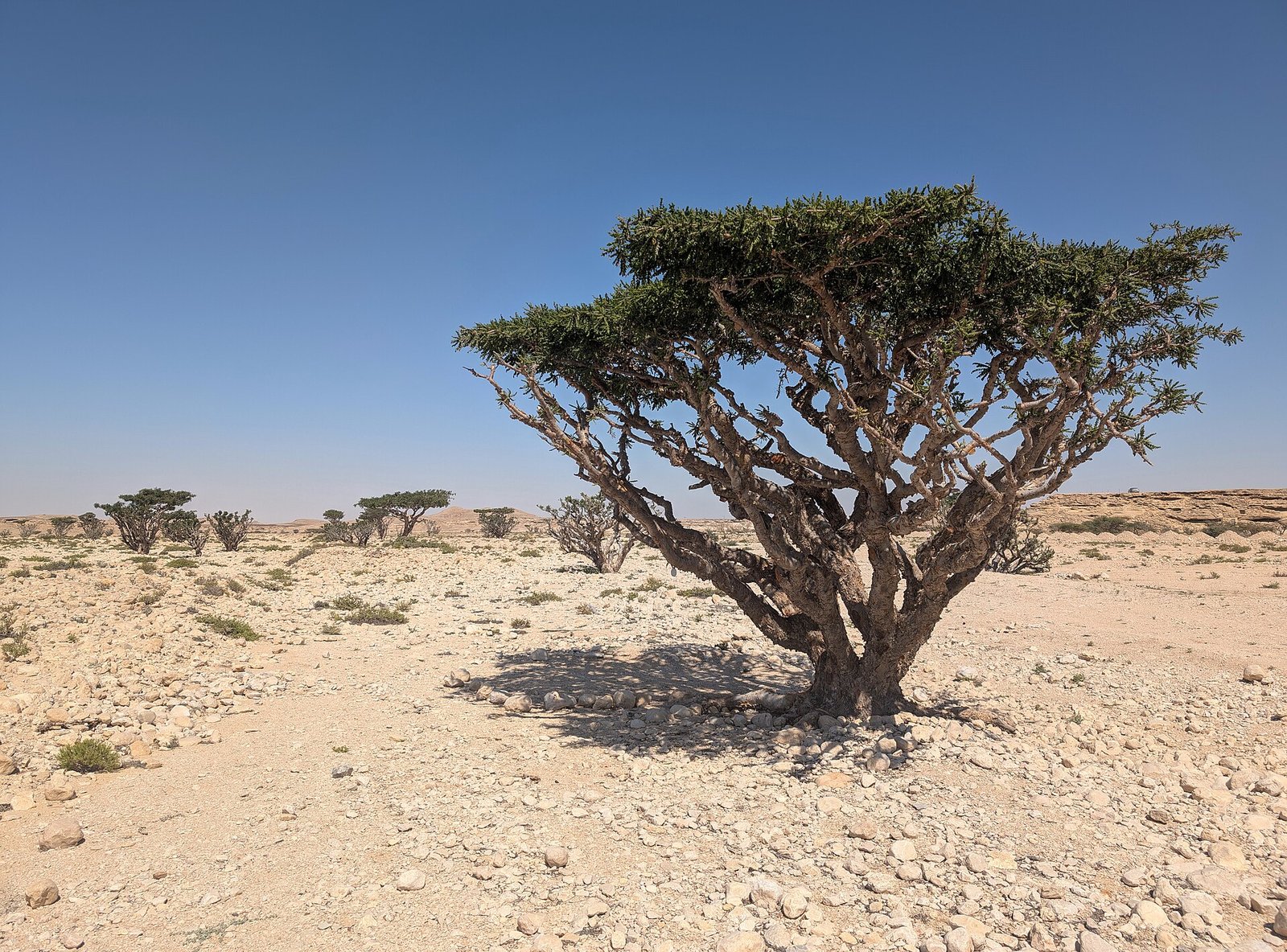
Fresh, citrusy resin from Oman's Dhofar, burned or used in perfume. See trade routes.
Grown in the mountains of Taif, distilled each spring into a precious rose oil. See Taif.
Warm, sensual base notes, today made with ethical and synthetic materials.
A golden, leathery accent loved in Gulf perfumery.
Incense blends burned in a mabkhara, each house guarding its own recipe.
Dubai's Perfume Souk in Deira and the great malls of Dubai, Riyadh and Doha are home to celebrated Arabian houses as well as niche Western brands inspired by oud. Omani house Amouage, Saudi houses such as Arabian Oud and Abdul Samad Al Qurashi, and Emirati Ajmal are known worldwide; many will blend a bespoke scent for you. See our oud, perfume and artisans shopping guide and malls and souks. In spring, a visit to a Taif rose farm during the harvest is unforgettable.
Perfume oils are concentrated: a dab on the wrists, behind the ears or on clothing lasts all day. Gulf custom often layers scents, an oil first, then a spray, finished with bakhoor smoke on the clothes. Our page on the majlis explains when incense is offered to guests.
Only a small share of agarwood trees produce the fragrant resin, often after many years, and the finest wild oud is rare.
Yes; carry-on liquids must follow TSA limits, so pack larger bottles in checked luggage.
The traditional incense burner, often beautifully decorated, used to burn bakhoor or oud chips.
In the Gulf, fragrance is inseparable from welcome. A host may sprinkle guests with rosewater from a silver flask on arrival, and a beautifully boxed perfume oil or a carved incense burner is one of the most appreciated gifts you can give or receive. Weddings, Eid and national days are perfumed occasions, and families often keep a cabinet of treasured oils passed between generations. Ask a perfumer to explain the story behind a blend; it is one of the most personal shopping experiences in the region.
Ultra-Luxury Real Estate · Own Here
Across the Middle East, the finest resorts and the finest homes now sit side by side, and many international buyers own before they ever visit.
Ultra-Luxury Tourism & Ultra-Luxury Real Estate
Checked October 2026. Prices and dates are approximate and can change. See our standard.