Egyptian classical song
The golden age of the mid-20th century produced Umm Kulthum, whose concerts could last for hours, and composers such as Mohammed Abdel Wahab.

Culture
Arabic music is one of the world's great traditions, built on the oud, the voice and the maqam system of melodic modes. Alongside Persian, Turkish, Gulf and North African styles, it fills the Middle East with sound, and travelers can hear it in opera houses, festivals and intimate concerts across the region.
At a glance
Oud, the voice and the maqam
At the heart of Arabic music is the oud, a pear-shaped lute without frets, ancestor of the European lute and guitar. Its fretless neck allows the subtle quarter-tones of the maqam, a system of melodic modes, each with its own mood. Musicians improvise within a maqam in a taqsim, and listeners respond with cries of delight known as tarab, the ecstasy of music.
Other classic instruments include the qanun, a plucked zither; the ney, an end-blown reed flute heard in Sufi music; the violin, adopted in the 19th century; and the darbuka and riq for rhythm. Persian music has its own refined classical tradition built on the dastgah, and Ottoman court music shaped the sound of Istanbul.
The golden age of the mid-20th century produced Umm Kulthum, whose concerts could last for hours, and composers such as Mohammed Abdel Wahab.
Fairuz and the Rahbani brothers created a beloved repertoire still heard each morning across the Arab world.
Rhythmic and joyful, with artists such as Saudi Arabia's Mohammed Abdu; sea songs from the pearling era live on in fijiri.
Heir to the courts of medieval Spain, performed by orchestras in Fes, Tlemcen and Tunis, where it is called malouf.
Hypnotic, spiritual music of guembri bass and metal castanets, celebrated each year at the Essaouira festival. See Essaouira.
The ney and the whirling ceremony of the Mevlevi dervishes, inscribed by UNESCO, can be seen in Istanbul and Konya.
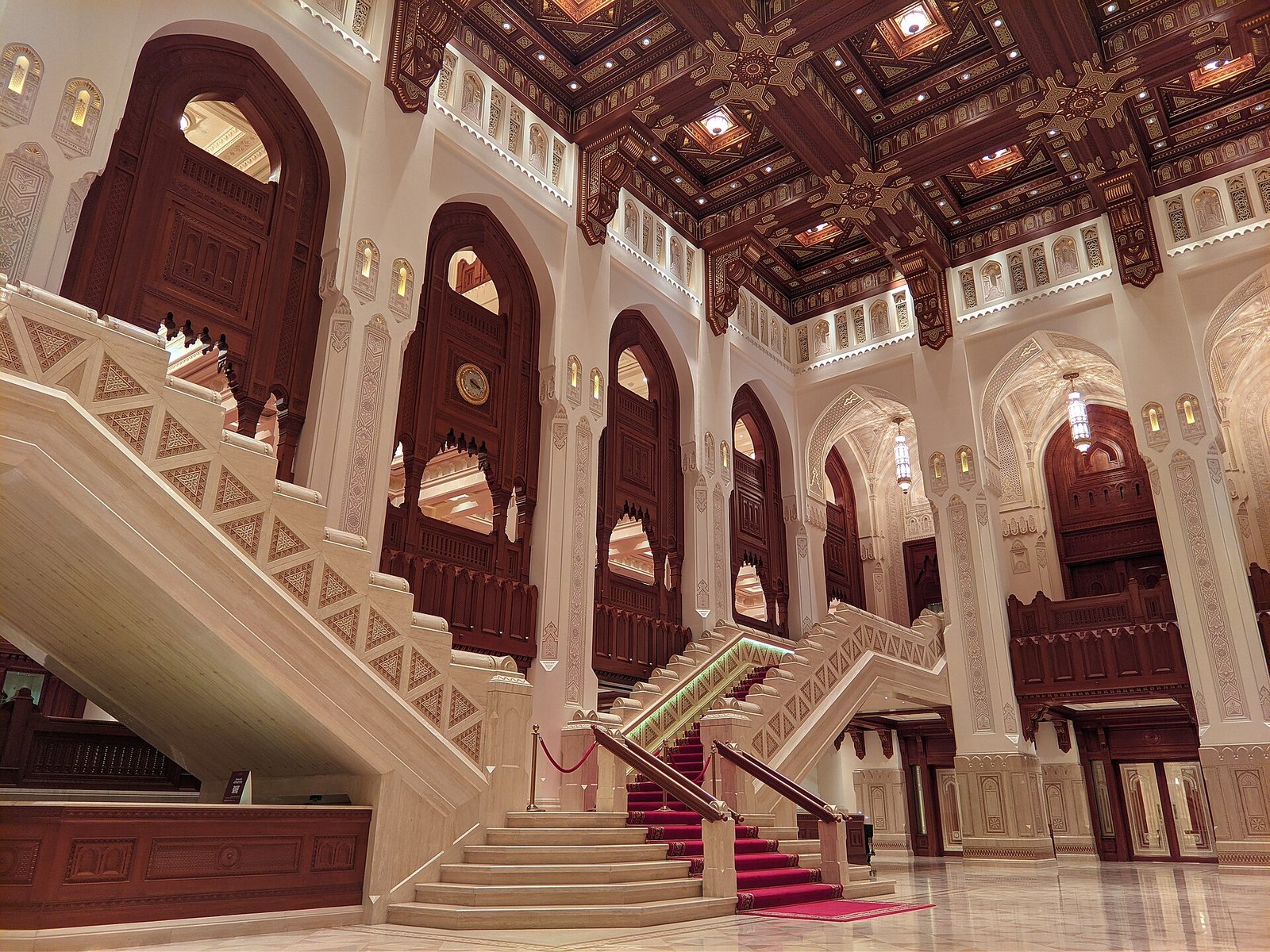
The Royal Opera House Muscat, opened in 2011, presents Arabic and international performances in a superb setting; Dubai Opera, the Cairo Opera House and Ithra in Dhahran all program Arab music alongside Western concerts. Riyadh's festivals and Abu Dhabi's cultural season bring the biggest Arab stars to the region's new arenas. Our music venues and concerts page lists the best, and the events calendar shows what is on. Fes's World Sacred Music Festival is a highlight for anyone visiting Fes.
A handmade oud from a master luthier in Cairo, Damascus or Istanbul is a beautiful souvenir, and many luxury hotels can arrange a private performance or lesson. For the rhythms of the desert, see Bedouin culture, and for the poetry behind the songs, Arabic and calligraphy.
The emotional ecstasy a great singer or player can create, shared by performer and audience.
Istanbul and Konya host regular Mevlevi ceremonies; book a seated performance and watch quietly.
Yes, especially in Lebanese, Egyptian and Moroccan restaurants, where an oud player or small ensemble often performs in the evening.
Today's scene mixes heritage and pop. Arab, Turkish and Persian stars fill stadiums, while young artists blend the oud and maqam with jazz, electronic and hip-hop. Festivals in Riyadh, Abu Dhabi and Doha, and performers touring worldwide, have given Arab music a global audience, and the region's new arenas host everyone from classical orchestras to world tours.
Ultra-Luxury Real Estate · Own Here
Across the Middle East, the finest resorts and the finest homes now sit side by side, and many international buyers own before they ever visit.
Ultra-Luxury Tourism & Ultra-Luxury Real Estate
Checked October 2026. Prices and dates are approximate and can change. See our standard.