The Pearling Path
A UNESCO-listed trail of merchant houses, oyster beds and the Bu Mahir fort, with a striking visitor center. See Manama.

Home›Culture›Timeline›Pearling
Culture
Pearl diving history is the story of the Gulf before oil. For centuries, divers from Bahrain, Qatar, Kuwait and the UAE plunged into warm, shallow waters for the world's finest natural pearls, and today travelers can follow that pearling heritage through museums, restored merchant houses and even a dive of their own.
At a glance
Gulf pearls were traded as far back as the Dilmun civilization, more than 4,000 years ago, and by the early 20th century the pearl banks of the Gulf supplied much of the world's natural pearls. Whole towns lived by the season: each summer, fleets of wooden dhows sailed for months to the oyster beds, and merchants in Manama, Muharraq, Dubai, Doha and Kuwait sold the harvest to buyers from Bombay, Paris and New York.
Life aboard was demanding. The ghais, or diver, wore a nose clip of turtle shell and leather finger guards, and was lowered by a stone weight; the saib on deck hauled him up when he tugged the rope. A nahham sang work songs to keep the crew's spirits up, a musical tradition still performed today. The industry declined in the 1930s as Japanese cultured pearls reached the market, just as oil was found, opening a new chapter for the Gulf.
Heritage to visit
A UNESCO-listed trail of merchant houses, oyster beds and the Bu Mahir fort, with a striking visitor center. See Manama.
A UNESCO-listed walled pearling and trading town of the 18th and 19th centuries on Qatar's north coast.
Jean Nouvel's desert-rose building displays the magnificent Pearl Carpet of Baroda. See Doha.
Historic creekside districts with museums on Dubai's pearling roots. See Dubai.
Each summer young Kuwaitis sail and dive in traditional style to honor their grandfathers' craft.
A modern cultured pearl farm in the Al Rams lagoon where visitors open their own oyster. See Ras Al Khaimah.
Natural Gulf pearls remain prized by collectors, and Bahrain's gem laboratory is respected for its testing. In Bahrain, licensed visitors can even dive for pearls themselves and keep what they find. For a modern piece, our jewelers and watchmakers page lists houses known for pearls, and our trade routes page tells the story of the dhow and monsoon trade.
Yes, through licensed operators, with a permit; it is a memorable half-day for confident swimmers and divers.
Warm, shallow water mixed with fresh springs on the seabed was thought to give them exceptional luster.
Mostly it is now heritage and sport, though natural pearls are still found and traded in small numbers.
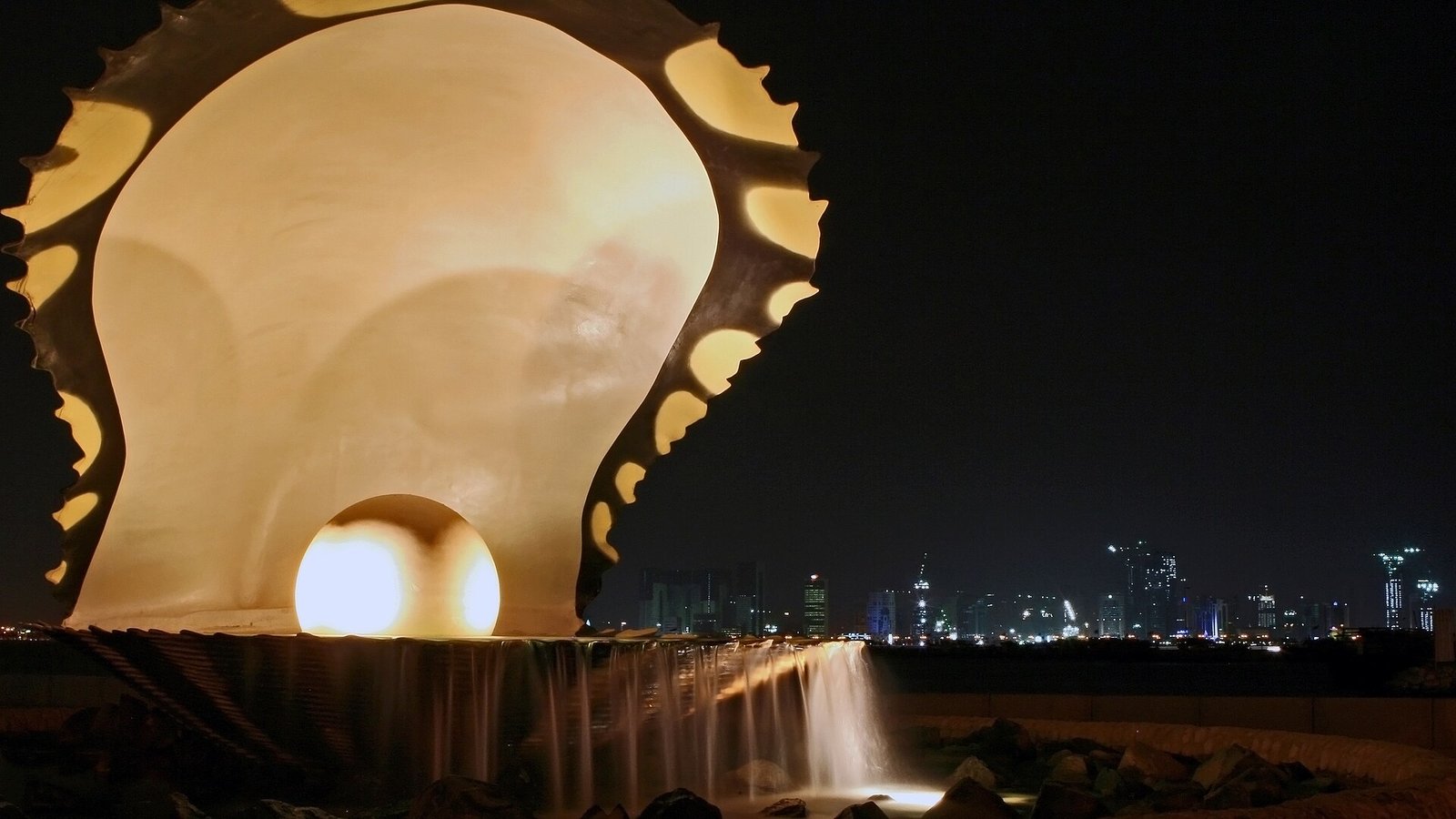
The values of the pearling age, endurance, teamwork and trading savvy, are often cited by Gulf families as the foundation of their modern success. Pearl motifs appear in architecture, from Doha's island of The Pearl-Qatar to the Pearling Path visitor center in Muharraq. National days and heritage festivals still feature dhow races and sea shanties, and wealthy families treasure heirloom pearl necklaces passed down through generations. It is a story every visitor to the Gulf coast will meet sooner or later.
Ultra-Luxury Real Estate · Own Here
Across the Middle East, the finest resorts and the finest homes now sit side by side, and many international buyers own before they ever visit.
Ultra-Luxury Tourism & Ultra-Luxury Real Estate
Checked October 2026. Prices and dates are approximate and can change. See our standard.