Jerusalem
The Western Wall, the Church of the Holy Sepulchre, the Dome of the Rock and Al-Aqsa within one walled Old City. See Jerusalem, Holy City.

Home›Culture›Timeline›The Three Faiths
Culture
The Abrahamic religions, Judaism, Christianity and Islam, were all born in the Middle East, and together they trace their story to the patriarch Abraham. For travelers, this shared homeland offers some of the most meaningful journeys on earth, from Jerusalem to Makkah to the monasteries of Sinai.
At a glance
Jews, Christians and Muslims all honor Abraham as a father of faith in one God. Many prophets and figures, among them Noah, Moses, Mary and Jesus, appear in the scriptures of more than one tradition. The landscapes of the region, Mount Sinai, the Jordan River, the Dead Sea and the hills of Galilee, are the settings for stories known to billions of people.
Each faith also has its own holy heart. For Judaism it is Jerusalem and the Western Wall; for Christianity, the places of Jesus's life in Bethlehem, Nazareth and Jerusalem; for Islam, Makkah and Madinah, with Jerusalem's Al-Aqsa Mosque as the third holiest site.
The Western Wall, the Church of the Holy Sepulchre, the Dome of the Rock and Al-Aqsa within one walled Old City. See Jerusalem, Holy City.
Islam's two holiest cities, destinations of Hajj and Umrah; only Muslims may enter Makkah. See luxury Umrah and Hajj.
In the Palestinian Territories, the Church of the Nativity and the Tomb of the Patriarchs, revered by all three faiths. See Bethlehem and Hebron.
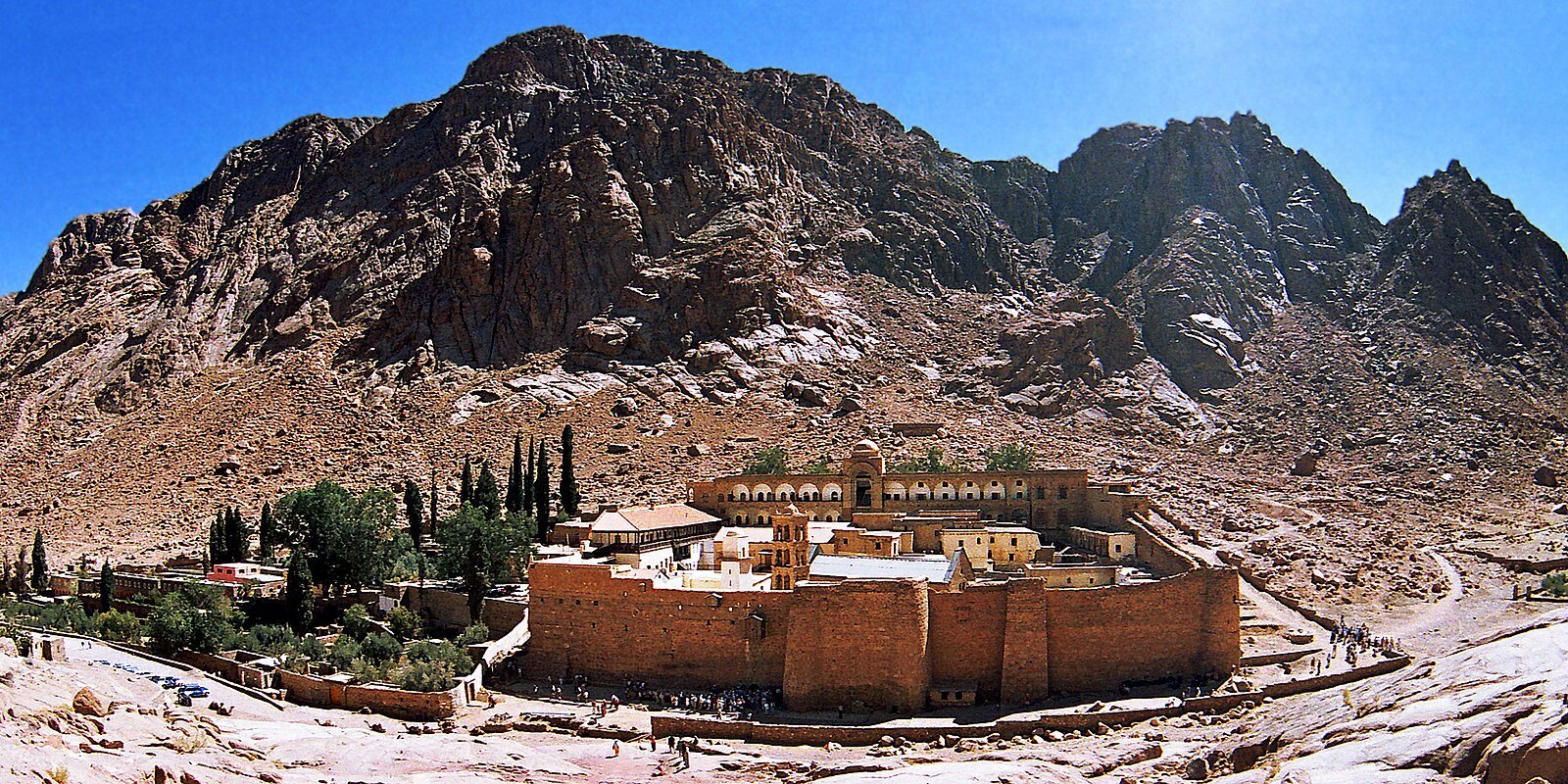
In Egypt's Sinai, one of the oldest working Christian monasteries, at the foot of the mountain associated with Moses.
A UNESCO site in Jordan where tradition places the baptism of Jesus.
In Tunisia, one of the oldest synagogues in Africa. See Jewish heritage sites.
On Abu Dhabi's Saadiyat Island, a mosque, a church and a synagogue share one garden, a modern symbol of coexistence.
Dress modestly at every holy site, with shoulders and knees covered; women carry a scarf for mosques and some churches, and men may be offered a kippah at Jewish sites. Check opening times around prayers, Shabbat and holy days. Our guides to Christian holy sites, great mosques and Jewish heritage give details, and the Faith and Heritage section brings them together.
Religious festivals shape travel. Ramadan and the two Eids follow the Islamic lunar calendar, moving about 11 days earlier each year; Christmas and Easter bring pilgrims to Bethlehem and Jerusalem; and the Jewish High Holidays fill Jerusalem each autumn. Our holidays and national days page lists the dates.
Yes, it is open to visitors of all faiths, with free entry booked online.
Non-Muslims may visit the city of Madinah, though entry to the Prophet's Mosque itself is reserved for Muslims. Makkah is open only to Muslims.
Spring and autumn offer the most comfortable weather; avoid major holidays if you prefer smaller crowds.
Through long stretches of history, communities of different faiths lived side by side in cities like Cairo, Baghdad, Istanbul, Fes and Jerusalem, trading, studying and building together. That heritage is visible today in old quarters where churches, mosques and synagogues stand within a short walk of one another, and in a new generation of interfaith initiatives across the Gulf. For many travelers, standing in these places is the most moving part of a journey.
Ultra-Luxury Real Estate · Own Here
Across the Middle East, the finest resorts and the finest homes now sit side by side, and many international buyers own before they ever visit.
Ultra-Luxury Tourism & Ultra-Luxury Real Estate
Checked October 2026. Prices and dates are approximate and can change. See our standard.