Casbah of Algiers
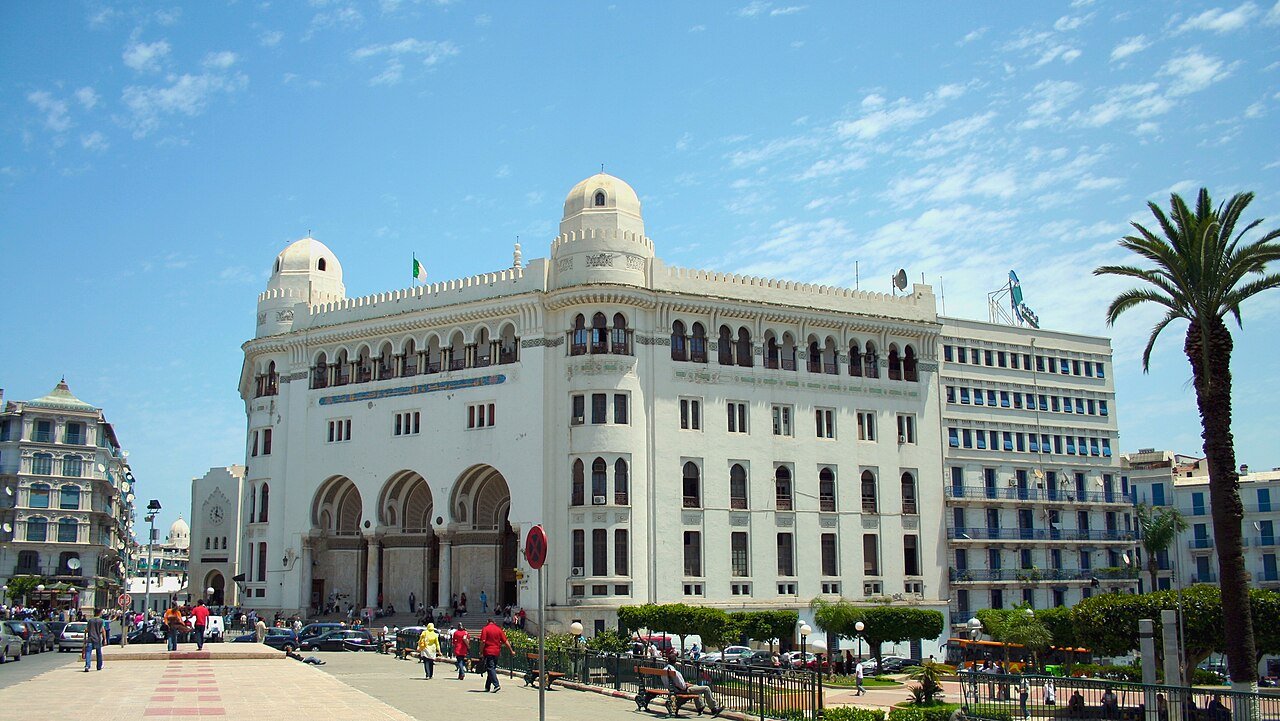
A maze of whitewashed houses, palaces and mosques stepping down to the sea, a UNESCO World Heritage Site. The Dar Mustapha Pacha palace shows its finest tilework.

Home›Culture›Timeline›Algeria: History and Culture
Algeria
Algeria history is written in stone, from Roman cities as complete as any in Italy to the white Casbah of Algiers and the oasis towns of the M'zab. Algerian culture, warm and musical, rewards travelers who want North Africa at its least crowded.
At a glance
Eras of Algeria history
Rock art in the Tassili n'Ajjer, deep in the Sahara, records cattle herders, giraffes and dancers painted thousands of years ago, when the desert was green. The Amazigh kingdom of Numidia flourished under kings such as Masinissa, and Phoenician trading posts dotted the coast.
Under Rome, the region became one of the empire's breadbaskets. Timgad, laid out on a perfect grid, and Djemila, set on a mountain ridge, rank among the best-preserved Roman towns anywhere, and Saint Augustine was born at Thagaste in the east. From the 7th century, Islam and Arabic arrived and dynasties such as the Rustamids, Zirids and Hammadids built cities and mosques; the Beni Hammad Fort is a World Heritage Site.
From the 16th century Algiers was an Ottoman-era regency, and its Casbah of palaces and terraces took shape. Algeria became independent in 1962 and today is investing in transport, energy and culture. See where it sits in the regional timeline.
Languages and five useful
Algerian Arabic (Darja) is spoken day to day, Tamazight is official and strong in Kabylie and the Aures, and French is widely understood.
| English | Local phrase | Say it like |
|---|---|---|
| Hello | As-salamu alaykum | ah-sah-LAH-moo ah-LAY-koom |
| Thank you | Saha / Shukran | SAH-ha / SHOOK-ran |
| How are you? | Wash rak? | wash RAHK |
| Very good | Mlih bezzaf | m-LEEH bez-ZAF |
| Goodbye | Bslama | b-SLAH-ma |
Algeria gave the world rai, the expressive popular music born in Oran, and chaabi, the soulful sound of the Algiers Casbah. Andalusian classical music, carried from Spain centuries ago, is preserved in conservatories in Tlemcen, Algiers and Constantine. Kabyle silver jewelry, set with coral and enamel, and woven carpets from the high plateaus are fine souvenirs.
The M'zab Valley, with its five fortified hilltop towns around Ghardaia, inspired modern architects with its pure, functional forms. Tlemcen holds exquisite medieval mosques decorated in the Andalusian manner, a high point of Islamic art and architecture.
Couscous is the heart of the Algerian table, steamed over a rich stew of vegetables and lamb. Chorba frik, a soup of cracked green wheat, opens the evening meal in Ramadan, and chakhchoukha from the east mixes torn flatbread with a spiced sauce. Mhadjeb, a folded semolina crepe stuffed with tomato and onion, is the favorite street snack.
Sweets are an art: makroud, semolina diamonds filled with dates; delicate almond pastries; and Deglet Nour dates from Biskra, among the most prized in the world. Mint tea and strong coffee close every visit.
A maze of whitewashed houses, palaces and mosques stepping down to the sea, a UNESCO World Heritage Site. The Dar Mustapha Pacha palace shows its finest tilework.
One of Africa's oldest museums, with Roman mosaics and statuary alongside Islamic manuscripts, ceramics and woodwork.
An elegant Ottoman-era villa displaying prehistoric finds and traditional costume and jewelry.
Two Roman cities of breathtaking completeness, with theaters, arches, markets and mosaics. Both are World Heritage Sites.
Phoenician, Roman and early Christian ruins among pines on the edge of the Mediterranean, beloved by the writer Albert Camus.
Hospitality is a point of honor, and guests are welcomed with dates and milk. The Sbiba ritual of Djanet and the Ahellil chants of Gourara are recognized by UNESCO, as is the shared Maghreb tradition of couscous. In the deep south, the Tuareg still gather for music and camel festivals in the Hoggar mountains. Discover more about desert culture.
Algeria is the largest country in Africa. The writer Albert Camus and the designer Yves Saint Laurent were both born there. Timgad is sometimes called the Pompeii of Africa, and Tassili n'Ajjer holds one of the world's greatest collections of prehistoric rock art. Plan a visit with our Algeria travel guide and our page on Algiers and the Casbah, and compare it with other UNESCO sites in the region.
Ultra-Luxury Real Estate · Own Here
Across the Middle East, the finest resorts and the finest homes now sit side by side, and many international buyers own before they ever visit.
Ultra-Luxury Tourism & Ultra-Luxury Real Estate
Checked October 2026. Prices and dates are approximate and can change. See our standard.