Emirati: machboos and luqaimat
Machboos is spiced rice cooked with meat or fish, scented with dried black lime and saffron. Finish with luqaimat, crisp dumplings drizzled with date syrup, best tried at heritage cafes in Dubai and Abu Dhabi.

Home›Dine›Cuisine of the Region
Dine
Middle Eastern food is one of the world's great cuisines, built on generosity, spice and the shared table. This food guide travels country by country, from Gulf rice feasts to Levantine mezze and Moroccan tagines.
Updated
At a glance
Across the Middle East, a meal is first an act of welcome. A guest is offered coffee and dates, plates arrive to be shared, and the host keeps refilling until you insist you could not eat another bite. That spirit of hospitality and the majlis links kitchens that are otherwise wonderfully different.
The Gulf cooks rice with whole spices, dried lime and slow-cooked lamb or fish; the Levant built the world's favorite small-plate tradition; North Africa perfected the tagine and couscous; and Türkiye's kitchen, shaped by Ottoman palace cooks, ranges from kebabs to elaborate pastries. Ancient trade routes carried saffron, cardamom, pepper and rosewater through all of them.
Food here is also one of the easiest ways into the culture for a first-time visitor. Order a few plates, share them, and ask your waiter what is local. For the region's most celebrated dining rooms, see our guide to the finest restaurants.
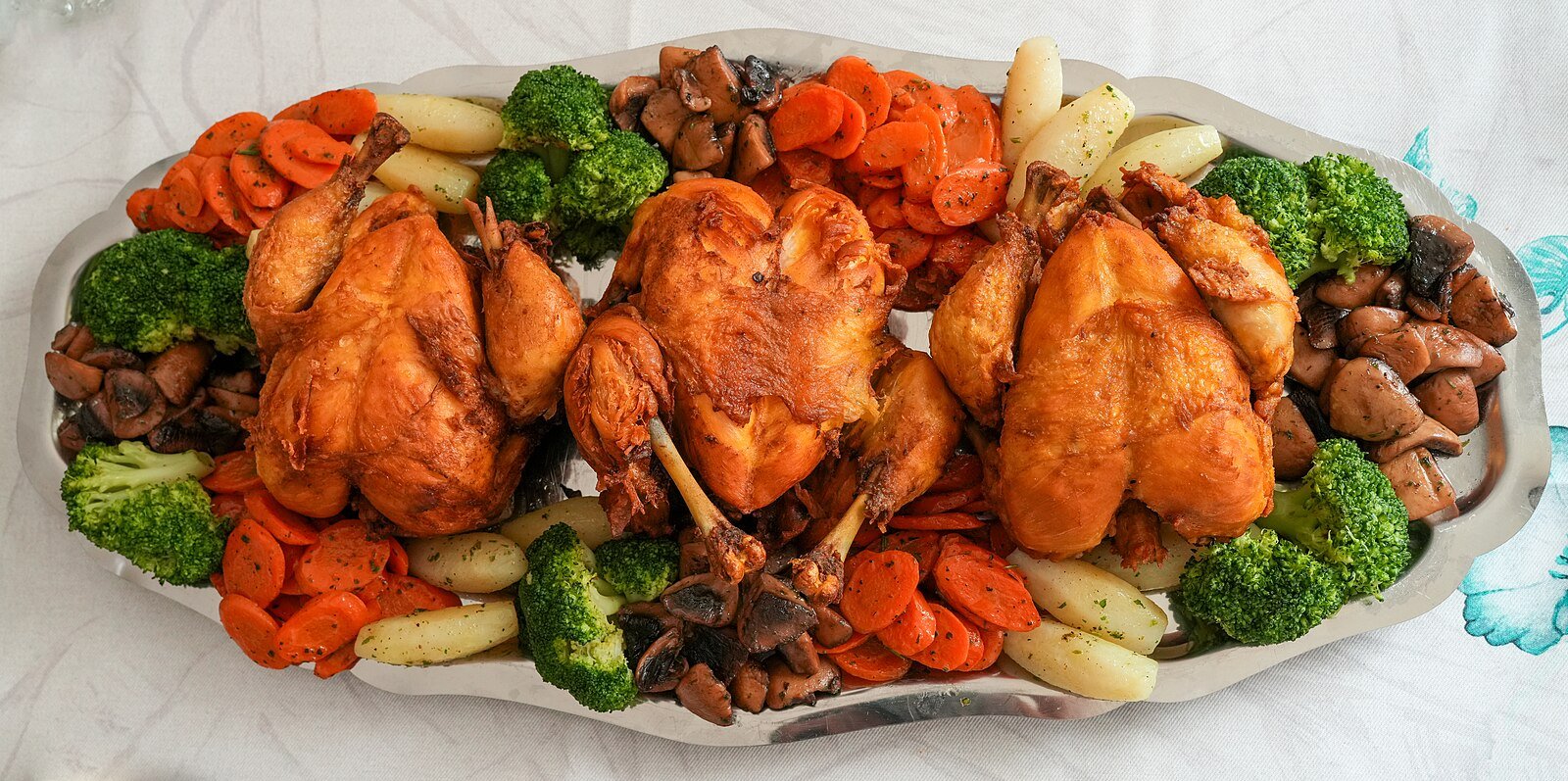
Machboos is spiced rice cooked with meat or fish, scented with dried black lime and saffron. Finish with luqaimat, crisp dumplings drizzled with date syrup, best tried at heritage cafes in Dubai and Abu Dhabi.
Kabsa, the national dish, layers fragrant rice with chicken or lamb and a warm blend of spices. In the Najd region around Riyadh, look for jareesh, a comforting dish of cracked wheat and yogurt.
Kuwait's take on spiced chicken and rice is a weekend family ritual, often served with a tangy tomato daqqus sauce. Gers ogaily, a saffron and cardamom cake, is the classic companion to tea.
Lamb or goat marinated in spices, wrapped in palm leaves and slow-cooked for a day or more in an underground pit, traditionally for Eid. Omani halwa, glossy and fragrant with rosewater, is the country's beloved sweet.
Muhammar is sweet rice cooked with date syrup or sugar, a perfect partner for grilled fish such as safi or hamour. The island's seafood is a reminder of its long history of pearling.
Harees, wheat slow-cooked with meat until silky, is a favorite during Ramadan and Eid. Thareed layers thin bread under a rich vegetable and meat stew; try both at Souq Waqif in Doha.
Hummus, moutabal, tabbouleh, fattoush, kibbeh and warm flatbread arrive together for the table to share. These Levantine plates are at their finest in Beirut, where long lunches are an art form.
Jordan's national dish is lamb cooked in jameed, a tangy dried-yogurt sauce, served over rice and flatbread with toasted nuts. It is the dish of celebration and of honored guests.
Koshari mixes rice, lentils and pasta under a spiced tomato sauce and crispy onions, Cairo's great everyday comfort food. Breakfast is ful medames, slow-cooked fava beans, with fresh taameya, Egypt's green falafel.
Slow-cooked tagines of lamb with prunes or chicken with preserved lemon, Friday couscous, and pastilla, a flaky pie that balances savory and sweet. Marrakech and Fes are the places to taste them.
Tunisian couscous is often served with fish and a lively harissa heat. Brik, a crisp pastry folded around egg, tuna and herbs, is the perfect street snack in Tunis.
From Adana kebab to manti dumplings and a breakfast spread that fills the table, Turkish cooking is endlessly rich. Istanbul is one of the world's great food cities, and its baklava is legendary.
Grilled halloumi, souvlaki, kleftiko lamb and a long procession of meze plates define the Cypriot table, especially in the tavernas of Limassol.
In Erbil, stuffed vegetables, grilled kebabs and generous rice dishes reflect a kitchen shaped by Mesopotamia's long history.
Lightly roasted and spiced with cardamom, sometimes saffron, served in small handleless cups. Arabic coffee is recognized by UNESCO as a living tradition of generosity; read more in Coffee and Dates.
Hundreds of varieties, from soft Ajwa and Medjool to caramel-like Sukkari, are served to every guest. Visit a date market in Al-Ahsa or Al Ain in late summer.
Warm, cheese-filled pastry soaked in syrup and topped with pistachio, best eaten fresh from the tray.
Thick, unfiltered coffee served with a square of lokum, a ritual inscribed by UNESCO as part of Turkish culture.
Green tea with fresh mint and sugar, poured from a height for a frothy top, offered as a sign of welcome.
| Country | Must-try dish | Sweet or drink |
|---|---|---|
| UAE | Machboos | Luqaimat |
| Saudi Arabia | Kabsa | Dates and Arabic coffee |
| Kuwait | Machboos ala dajaj | Gers ogaily |
| Oman | Shuwa | Omani halwa |
| Bahrain | Muhammar with grilled fish | Bahraini halwa |
| Qatar | Harees | Balaleet |
| Lebanon | Mezze and kibbeh | Knafeh |
| Jordan | Mansaf | Kunafa |
| Egypt | Koshari | Om Ali |
| Morocco | Tagine and pastilla | Mint tea |
| Tunisia | Couscous and brik | Makroudh |
| Türkiye | Kebab and meze | Baklava and Turkish coffee |
| Cyprus | Halloumi and kleftiko | Loukoumades |
Across the Gulf and North Africa, food is halal as standard, and pork is rarely served outside specially licensed outlets. Alcohol is available in licensed hotels and restaurants in the UAE, Bahrain, Qatar and Oman, and more widely in Türkiye, Lebanon, Cyprus and Morocco.
Eat with your right hand when sharing from a communal dish, accept coffee when offered, and gently shake the cup when you have had enough. Our guide to customs and etiquette has more, and our Ramadan travel guide explains the special joys of iftar.
Mostly it is aromatic rather than hot, built on cumin, cardamom, cinnamon and saffron. Tunisian harissa and some Turkish dishes bring more heat.
Very. Levantine mezze, Egyptian ful and koshari, and many Turkish and Moroccan dishes are vegetarian.
Heritage restaurants in Al Fahidi and Al Seef serve machboos and luqaimat. For a wider view, see our Dubai guide and private chefs for a home-style feast.
Bottled water is the norm for visitors almost everywhere in the region and is inexpensive.
Ultra-Luxury Real Estate · Own Here
Across the Middle East, the finest resorts and the finest homes now sit side by side, and many international buyers own before they ever visit.
Ultra-Luxury Tourism & Ultra-Luxury Real Estate
Checked October 2026. Prices and dates are approximate and can change. See our standard.