Grand Egyptian Museum
The world's largest museum devoted to a single civilization, beside the pyramids, fully open since November 2025, with the complete Tutankhamun collection and a colossal statue of Ramses II in its atrium.
Official site ↗
Home›Culture›Timeline›Egypt: History and Culture
Egypt
Egypt history is the longest continuous story of any nation on earth, from the first pharaohs on the Nile to the minarets of Islamic Cairo. Egyptian culture, famous for its humor, music and food, makes an Egypt vacation as much about people as pyramids.
At a glance
Eras of Egypt history
Around 3100 BC Upper and Lower Egypt were united under a single king, beginning three millennia of pharaonic civilization. The Old Kingdom built the pyramids of Saqqara, Dahshur and Giza; the Middle Kingdom refined literature and jewelry; and the New Kingdom, the age of Hatshepsut, Akhenaten, Tutankhamun and Ramses II, filled Luxor with temples and the Valley of the Kings with painted tombs.
Alexander the Great founded Alexandria in 331 BC, and the Ptolemies, ending with Cleopatra, made it the intellectual capital of the ancient world, with its Library and Lighthouse. Roman and Byzantine Egypt saw the rise of Coptic Christianity and the first monasteries, including Saint Catherine's in Sinai.
From the 7th century Egypt became a center of the Islamic world. The Fatimids founded Cairo and Al-Azhar in the 10th century; the Ayyubids built the Citadel; and the Mamluks covered the city with domes and minarets. Later came the dynasty of Muhammad Ali, Cairo's belle-epoque boulevards, and the modern republic. Today Egypt is building a new administrative capital and a revived Red Sea coast. Place it all in the history of the Middle East timeline.
Languages and five useful
Egyptian Arabic is understood across the Arab world thanks to Egypt's films and songs. Coptic survives in church liturgy.
| English | Local phrase | Say it like |
|---|---|---|
| Hello | Ahlan | AH-lan |
| Thank you | Shukran | SHOOK-ran |
| Please | Min fadlak / fadlik | min FAD-lak / FAD-lik |
| How much? | Bikam? | bee-KAM |
| Very nice | Gamil awi | ga-MEEL AH-wee |
From hieroglyphs to Mamluk mosque lamps, Egypt has been a workshop of beauty for five thousand years. Khan el-Khalili in Cairo still sells hammered brass, inlaid boxes and fine cotton, and the tentmakers' street displays appliqued khayamiya panels. Islamic Cairo, a UNESCO World Heritage Site, has one of the densest collections of medieval Islamic architecture on earth.
Umm Kulthum's concerts once stopped the Arab world; today Cairo's opera, film festival and contemporary galleries keep the city a cultural capital. Naguib Mahfouz, born in old Cairo, became the first Arabic-language writer to receive the Nobel Prize in Literature.
Egyptian food is hearty and generous. Koshari layers rice, lentils, pasta and crisp onions under tomato sauce; ful medames, slow-cooked fava beans, is breakfast nationwide; and taameya, Egypt's green falafel, is made with fava beans and herbs. Molokhia, a silky green soup, and fattah, rice and bread with garlic and vinegar, are festive favorites.
Finish with om ali, a warm bread pudding with nuts, sweet hibiscus karkade, or sugarcane juice fresh from a street press. A sunset felucca on the Nile with mint tea is a ritual every traveler should keep.
The world's largest museum devoted to a single civilization, beside the pyramids, fully open since November 2025, with the complete Tutankhamun collection and a colossal statue of Ramses II in its atrium.
Official site ↗The historic home of Egyptology since 1902, still rich in statuary and treasures from every era.
Home of the Royal Mummies Hall, where great pharaohs rest in a hushed, beautifully lit gallery.
Official site ↗A modern revival of the ancient Library, with museums of antiquities and manuscripts and a striking disc-shaped reading room.
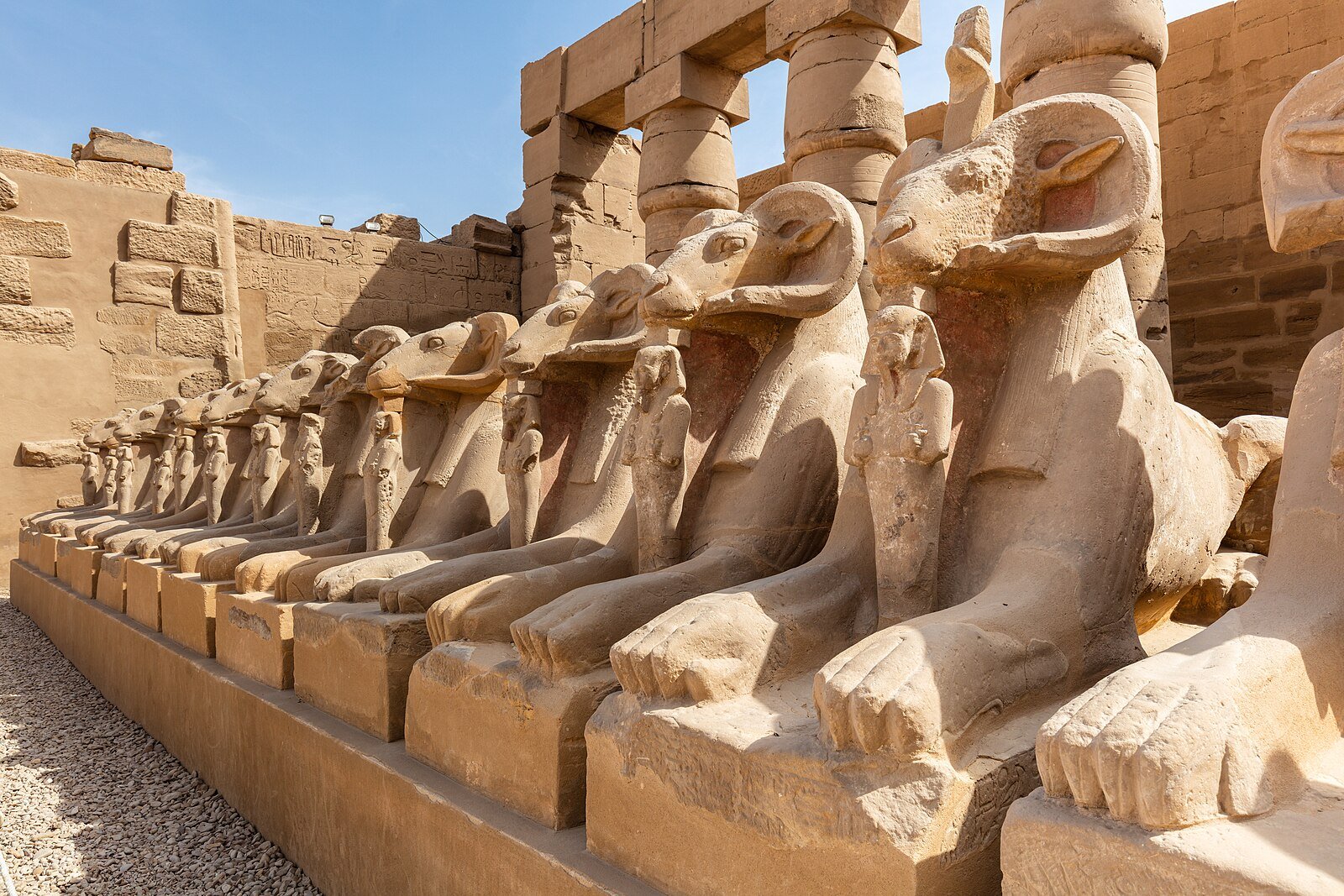
Official site ↗The great temple complexes of ancient Thebes, linked by an avenue of sphinxes and magical at dusk.
Ramadan lanterns called fanous light the streets, Sufi tanoura dancers whirl in Cairo, and the Nubian villages near Aswan keep their bright painted houses and music. The Coptic calendar, the shadow play and the art of tahtib stick dancing are all part of Egyptian culture. See also our page on Christian holy sites.
The Great Pyramid was the tallest human-made structure on earth for nearly four thousand years. Cleopatra lived closer in time to the moon landing than to the building of the Great Pyramid. Al-Azhar is among the oldest universities in the world. Begin with our Egypt luxury travel guide, then stay near the pyramids in Cairo and explore Luxor and the Valley of the Kings.
Ultra-Luxury Real Estate · Own Here
The places you discover as a guest are the places to own. Generally up to two homes for personal use, outside restricted areas.
Ultra-Luxury Tourism & Ultra-Luxury Real Estate
Checked October 2026. Prices and dates are approximate and can change. See our standard.